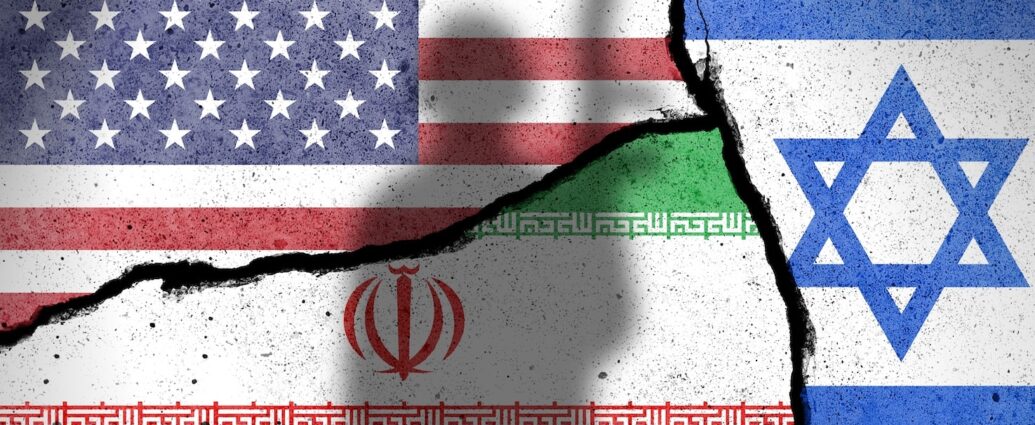


The Middle East is facing one of its most serious escalations in years. In early 2026, a dramatic series of events involving Iran, its missile forces, global powers, and regional actors has triggered a crisis with far-reaching consequences. This article explains what happened, why it matters, and how the world is reacting.
How the Crisis Started
The current conflict intensified after coordinated military strikes by United States and Israel hit key Iranian military and strategic sites in Tehran in late February 2026. Reports confirm that these strikes killed Iran’s supreme leader, Ayatollah Ali Khamenei, alongside several command figures — an unprecedented event in the modern Middle East.
In response, Iran launched multiple ballistic missiles and drones across the region, targeting both Israeli territory and U.S. military assets stationed in Gulf states.
How the Escalation Unfolded
This is not simply a bilateral fight. The crisis now involves:
- Iran — retaliating and leveraging its missile arsenal across the Middle East.
- Israel — facing missile barrages and counter-strikes.
- U.S. & Western forces — engaged in operations aimed at degrading Iranian capabilities and protecting regional allies.
- Gulf states — such as Qatar, Bahrain and the UAE, where Iranian missiles and drones have landed or been intercepted.
All of this has expanded the conflict beyond Iran’s borders and raised the risk of a broader regional war.
Why Missile Strikes Matter
Iran’s use of ballistic missiles is a turning point in this confrontation:
- It signals a shift from proxy tactics (through allied militias) to direct military engagement.
- Missile barrages across nations hosting U.S. bases show how Iran’s strategy is now aimed at deterring further strikes and demonstrating capability.
- The closure or virtual blockade of strategic waterways like the Strait of Hormuz threatens global energy supplies.
Missiles are no longer isolated weapons — they have become tools of geopolitical signalling with global price and supply consequences.
Economic and Global Effects
The Strait of Hormuz — through which roughly **20% of the world’s daily oil flows — was effectively shut down due to heightened military risk and warnings from Iranian forces.
This has had immediate effects:
- Surging oil and gas prices as shipping risks increase.
- Insurance premiums for tankers spiking due to risk of attack.
- Disrupted global trade routes as commercial vessels avoid the Persian Gulf.
Even countries far from the conflict zone are feeling pressure at the pump and in energy markets.
What This Means Regionally
The war has ripple effects across the Middle East:
- Several Gulf capitals activated air defenses against incoming Iranian missiles and drones.
- Hezbollah and allied groups in Lebanon have engaged in cross-border strikes with Israel.
- Civilian infrastructure, airports, and bases in multiple states have been hit or targeted.
This multi-front escalation is rare — and dangerous — in terms of stability and civilian safety.
Possible Future Paths
Analysts generally see three broad scenarios:
1. De-escalation through diplomacy
Some world leaders and institutions are pushing for ceasefires and talks, though the trust gap is wide.
2. Prolonged conflict
Without a breakthrough, missile exchanges and air operations could become a long-drawn standoff.
3. Wider regional war
Involvement from proxies and neighboring states could transform a bilateral crisis into a full regional conflict involving multiple armies.
The 2026 Iran–Middle East crisis began with major strikes, including the killing of Ayatollah Khamenei, and escalated when Iran responded with missile campaigns aimed at regional targets and U.S. bases. What started as localized military actions has now evolved into a broad geopolitical confrontation with real consequences for energy markets, global trade, and world security.
The most important fact is this: modern missile warfare in the Middle East is no longer limited to wars with fixed fronts — it directly affects global stability, economics, and everyday life far beyond the region’s borders.